
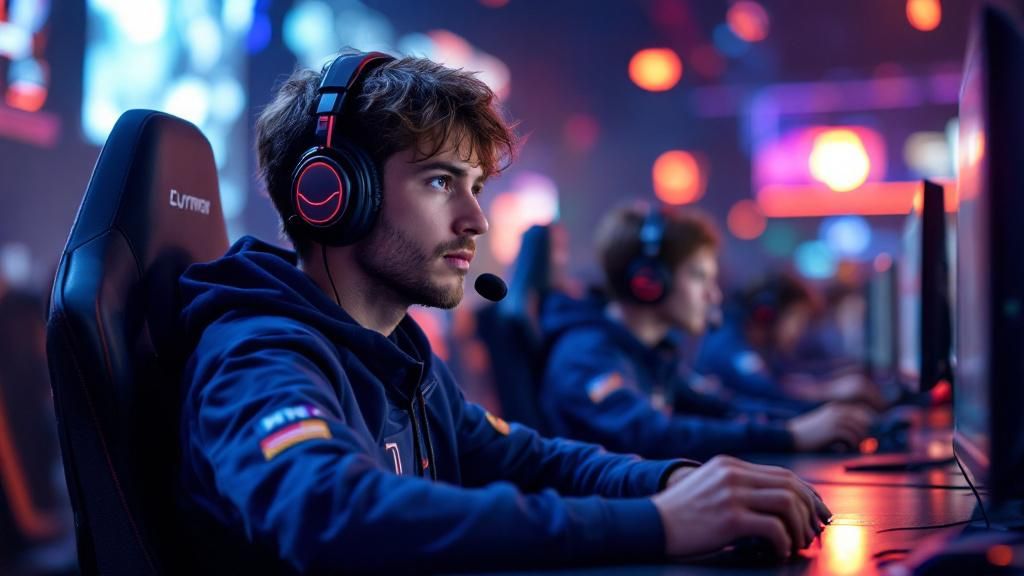
The esports industry has taken a significant step forward in championing competitor wellbeing. Leading esports bodies have jointly unveiled a extensive competitor welfare framework, addressing established worries about mental wellbeing, labour conditions, and just treatment within the professional gaming sector. This landmark initiative marks a turning point for esports legitimacy, setting foundational safeguards that could transform how the industry operates. We analyse the framework’s key provisions, the entities leading this transformation, and what it means for athletes and professional gaming moving forward.
Industry-Wide Commitment to Player Wellbeing
The coordinated partnership between prominent esports bodies marks a watershed moment for player protection within esports competition. This integrated system demonstrates the sector’s real dedication to establishing sustainable standards that place athlete welfare first alongside competitive excellence. By combining knowledge and capabilities, these organisations have established thorough standards addressing physical condition, mental wellness, and occupational safety. The programme demonstrates expanding understanding that player welfare directly influences output standards and sustained careers, making it vital to the sport’s credibility and growth.
Tournament administrators have acknowledged that earlier guidelines were fragmented and inconsistent, exposing competitors to exploitation and burnout. The updated system creates uniform requirements among principal events, ensuring every professional competitor obtains equal support and access to essential support services. This unified strategy eliminates competitive disadvantages resulting from differing safeguards and creates equal opportunities. Industry leaders highlight that these standards constitute baseline expectations, encouraging organisations to surpass fundamental requirements and create truly caring settings where athletes can flourish across professional and personal dimensions.
Essential Elements of the Welfare Provision
The recently created welfare framework consists of various interrelated pillars intended to ensure player protection completely. These elements tackle mental wellbeing assistance, physical health, fair working conditions, and clear dispute handling mechanisms. By bringing these provisions together, tournament administrators strive to create a holistic approach that treats esports athletes as professional athletes entitled to comprehensive protections. The framework establishes essential standards that all participating tournaments need to establish, ensuring consistent player safeguards across the esports competitive sector.
Mental Wellness Care Services
Understanding the emotional demands characteristic of professional esports, the framework stipulates access to mental health professionals for all players competing. Event organisers should offer confidential therapy services, either directly or through partnerships with qualified mental health providers. These services encompass managing stress, anxiety management support, and crisis intervention resources. Players gain access to trained psychologists who comprehend esports-specific issues, such as digital harassment, severe competitive pressure, and uncertain career prospects.
The framework also stipulates tournaments to introduce mental health awareness programmes and stigma-reduction efforts across the community. Organisers must train players, coaches, and staff about recognising psychological difficulties and utilising proper help. Regular check-ins and wellness monitoring systems help detect struggling players early, facilitating proactive intervention before situations develop into critical psychological situations.
Physical Health Requirements
Tournament organisers must establish detailed wellness standards tackling ergonomics, rest periods, and clinical supervision. The framework stipulates correct seating arrangements, display positioning, and breaks to prevent overuse injuries frequently seen in esports professionals. Clinical personnel must be on-site at major tournaments to address acute health issues, whilst organisers are mandated to give advice about injury avoidance and appropriate healthcare resources for sustained athlete progression.
Environmental circumstances at tournament locations are now governed by strict guidelines maintaining player wellbeing and safety. Regulations encompass temperature control, lighting standards, and noise levels to deliver optimal competitive conditions. Additionally, the framework promotes players to complete periodic health checks and provides guidance on diet, sleep hygiene, and exercise routines vital to sustained professional performance in esports.
- Ergonomic equipment evaluations performed by certified experts
- Required breaks between matches reducing athlete fatigue
- On-site medical staff present during all tournament proceedings
- Injury prevention training and recovery programme access
- Health monitoring programmes tracking player wellbeing throughout seasons
Implementation Timeline and Requirements
The framework will be implemented in three different phases, starting immediately with foundational reviews across involved stakeholders. Tournament operators have agreed to completing baseline audits of their present procedures by the conclusion of Q1, identifying gaps between present frameworks and the new standards. This initial stage ensures a comprehensive assessment of each organisation’s baseline position before making material alterations. Subsequent phases will include team training, guideline amendments, and the establishment of autonomous monitoring systems to secure conformity and responsibility throughout the competitive gaming sector.
The standards themselves cover mandatory provisions relating to mental health support, practical training timetables, and clear prize allocation procedures. Each organisation must designate a dedicated player welfare officer responsible for addressing grievances and ensuring adherence to guidelines. Periodic reviews, conducted by third-party bodies, will assess conformity and identify areas requiring improvement. These thorough safeguards establish measurable benchmarks for competitor welfare, with enforcement mechanisms including monetary sanctions and potential tournament sanctions for organisations failing to meet required standards.
Industry Response and Future Outlook
The announcement has garnered considerable endorsement from participants throughout the esports ecosystem. Professional player groups have praised the framework as a necessary step towards elevating the professionalism of the sector, whilst organisation proprietors and commercial partners recognise the opportunity for improved legitimacy and long-term viability. Equipment suppliers and broadcast services have pledged to embed safeguarding measures into their business practices, demonstrating a collective commitment to comprehensive transformation. Early indications indicate that oversight organisations and public sector leaders view the criteria positively, possibly opening the door to statutory acknowledgement of esports as a recognised professional industry.
Looking ahead, sector analysts anticipate that this framework will function as a blueprint for global adoption, with regional tournaments and smaller competitions expected to implement comparable standards. The initiative is expected to encourage continued dialogue regarding player compensation, professional progression routes, and mental health resources. As esports undergoes meteoric growth, these welfare standards represent a vital protection mechanism guaranteeing that competitive gaming stays sustainable, welcoming, and considerate for all participants, ultimately strengthening the industry’s position as a genuine professional discipline.
